This should be your first trip to Brazil
10 days in the Amazon: waterfalls, Anavilhanas, jungle, and riverside communities. A day-by-day itinerary with practical tips and what I'd do differently.
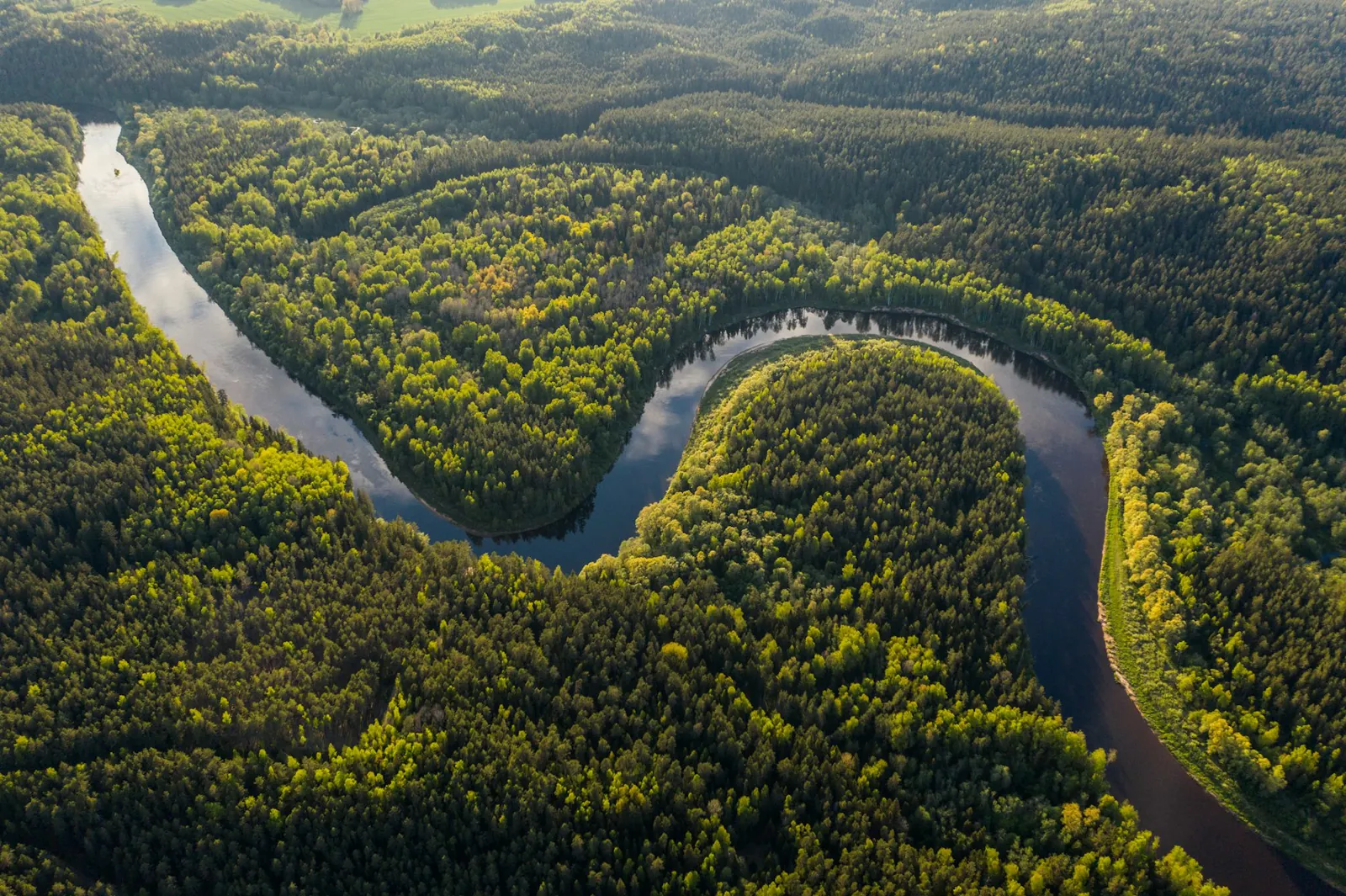
If you live in Brazil, can afford to travel the world, and have never been to the Amazon, you’re missing out on one of the greatest treasures and most beautiful places we have. Traveling within Brazil can end up costing more than other destinations in Latin America, but I promise you, it’s worth every penny.
Why go?!
Unlike other destinations, there are so many different activities here that no two days are alike: trails, waterfalls, boat rides, hydrobiking on a river, meeting local communities, seeing the biome’s animals up close, fishing for piranhas, moonlit river baths, camping in the forest and sleeping in a hammock. It’s the ideal itinerary for hyperactive nature lovers.
When to go?
In the Amazon, the year is split into just two seasons, defined by rainfall and river levels: the winter (rainy season) and the summer (drier season).
I went at one of the best times: June, during the transition from winter to summer. I was able to do every tour without rain, and since it’s right before school vacations, the crowds weren’t that big.
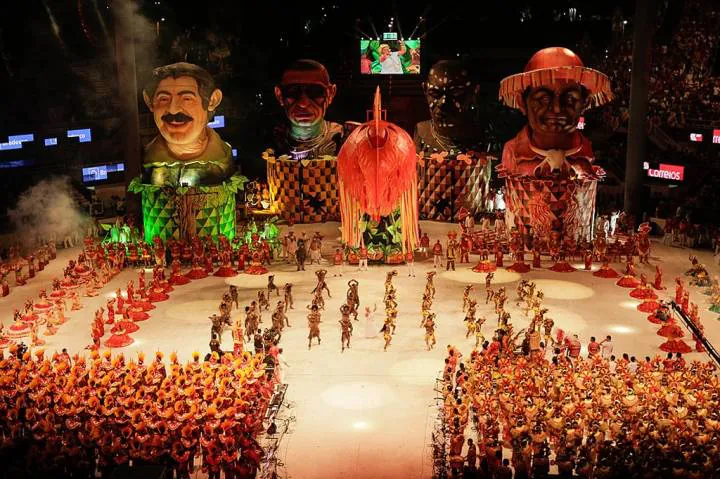
June is also when the Parintins Festival takes place, the largest open-air folk festival in the world. I didn’t stay for the festival itself, but I got to watch some of the open rehearsals for free. If you love a party full of color, costumes, and choreography, I recommend doing some research, since spots are EXTREMELY competitive.
Before you go
-
As much as I love spending hours putting together custom itineraries, traveling to remote regions means hiring an accredited agency. Without one, you pay the high price of a private tour, give up safety, and miss the best part: making new friends in a place that’s perfect for it. Research agencies, reviews, everything!
-
If you’re coming from outside Brazil, find a friend here to help you. Some agencies take advantage of foreign visitors and charge the “gringo rate,” which can be more than double what locals pay. Having someone in Brazil request quotes and negotiate for you can save you a lot of money;
-
Get the yellow fever vaccine, which is recommended for anyone traveling to the Amazon region. It should be taken at least 10 days before the trip, so don’t leave it for the last minute;
-
Don’t bring a rolling suitcase. Invest in a big backpack and a small daypack for the tours you’ll take throughout the trip;
-
Lots of bug spray and sunscreen;
-
Bring a sweater or jacket just for the flight, since the plane’s air conditioning can be strong if you’re sensitive to the cold. At the destination itself, it’s not worth packing anything warm;
-
Bring dark or patterned swimwear, nothing light-colored, because the river’s color can stain your clothes;
-
Wear comfortable sneakers for the trails in the woods;
-
I didn’t see a need for snacks in the backpack, since all the lunches are generous;
-
A water bottle for the tours;
What to do in Manaus
Leave one free day for the three stops I recommend:
- Teatro Amazonas (Amazon Theatre): a must-see, with a beauty that words can’t capture. Visiting is free!
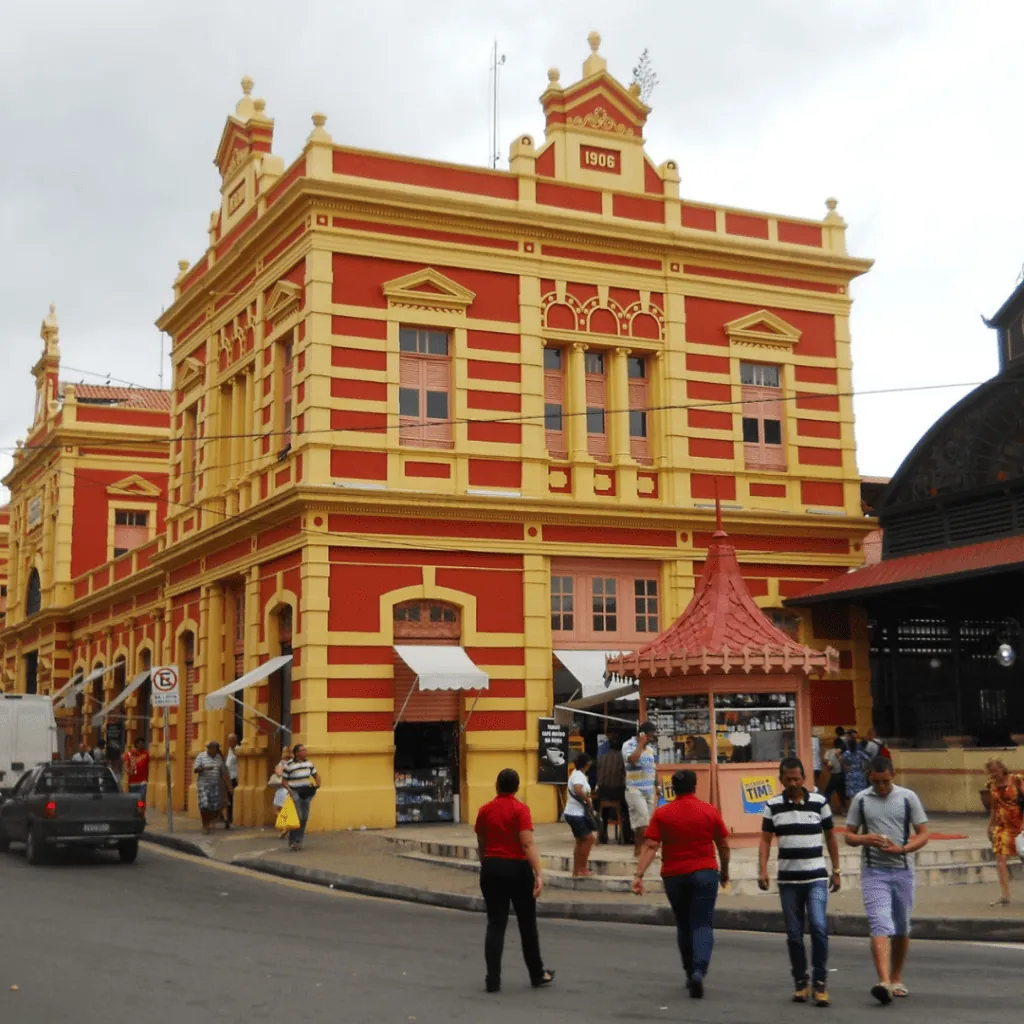
- Adolpho Lisboa Municipal Market: the city’s most famous local market. I’ll admit I didn’t buy anything, because I found all the souvenirs I wanted during the tours.
- Museu da Amazônia (MUSA): the only one I didn’t get to see, because I didn’t set aside a full day. If you can, do all three.

What to do in Presidente Figueiredo
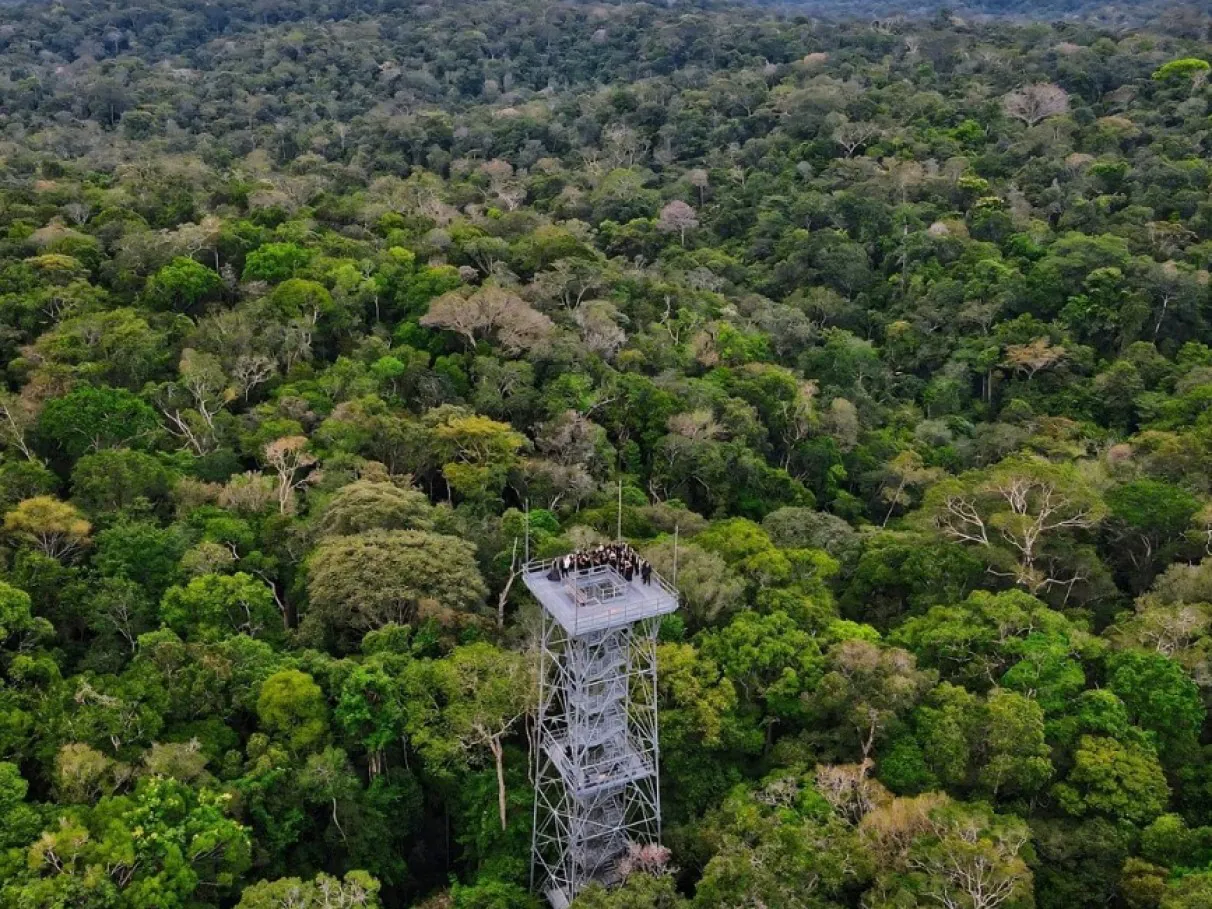
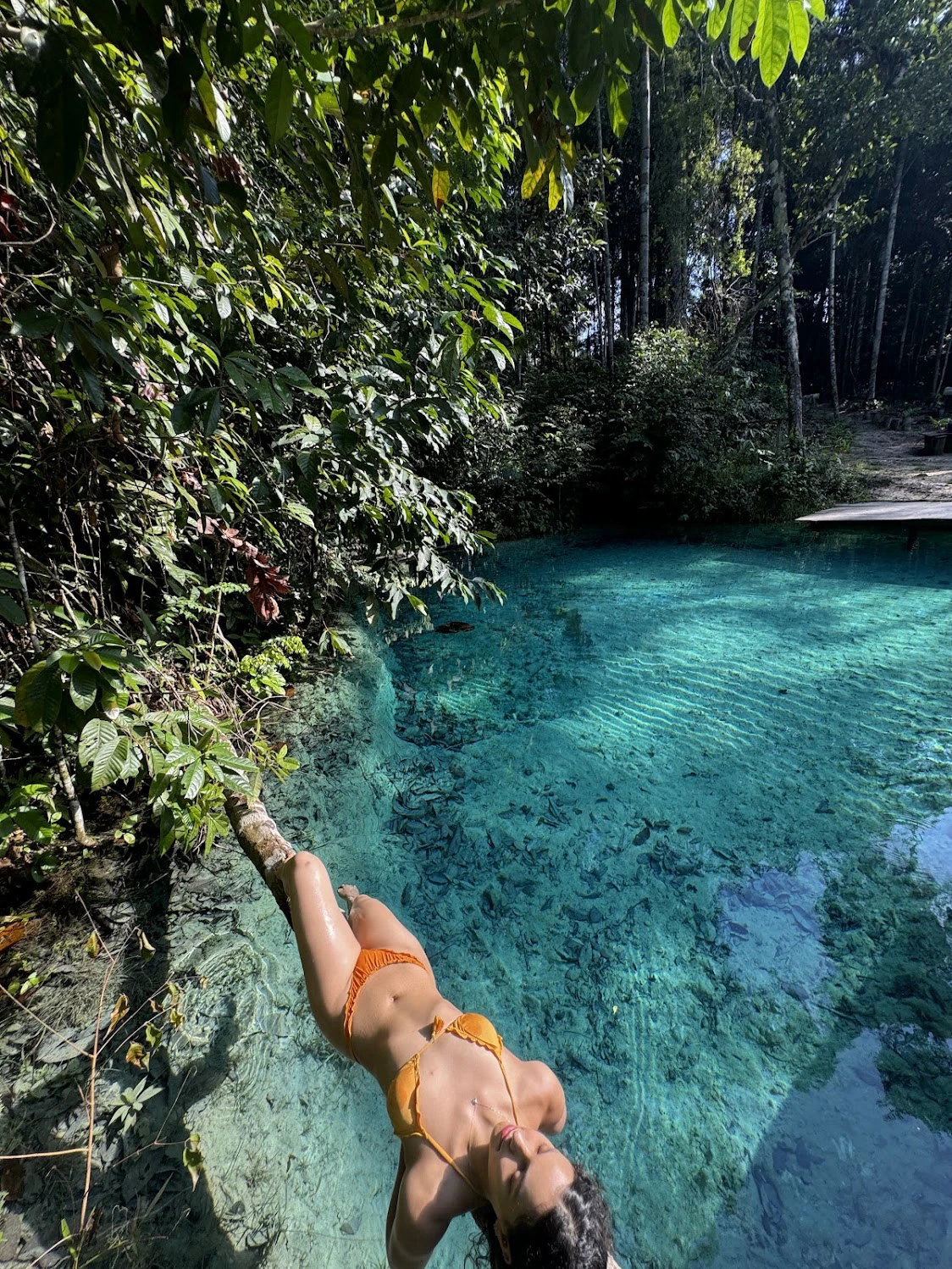
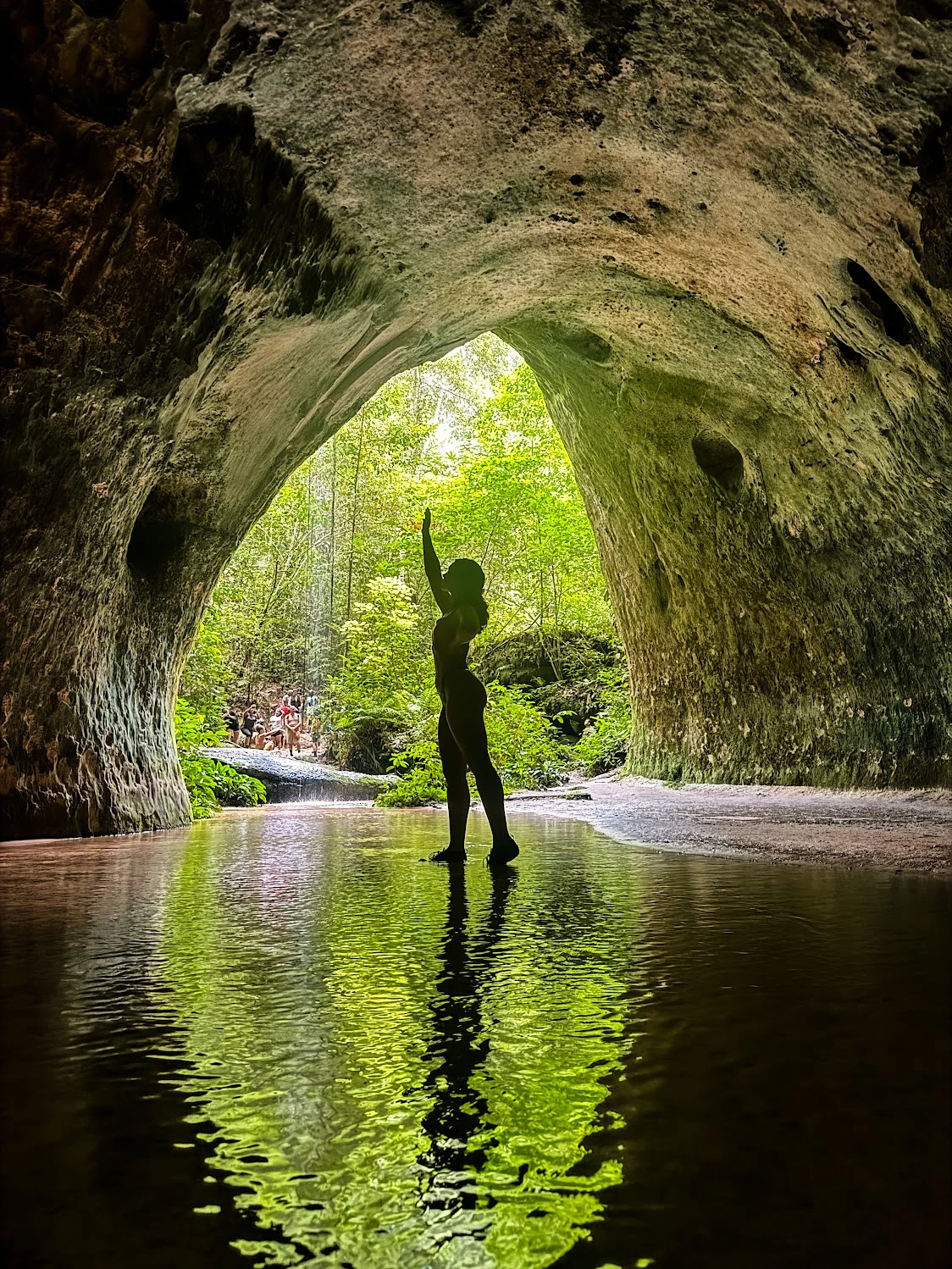
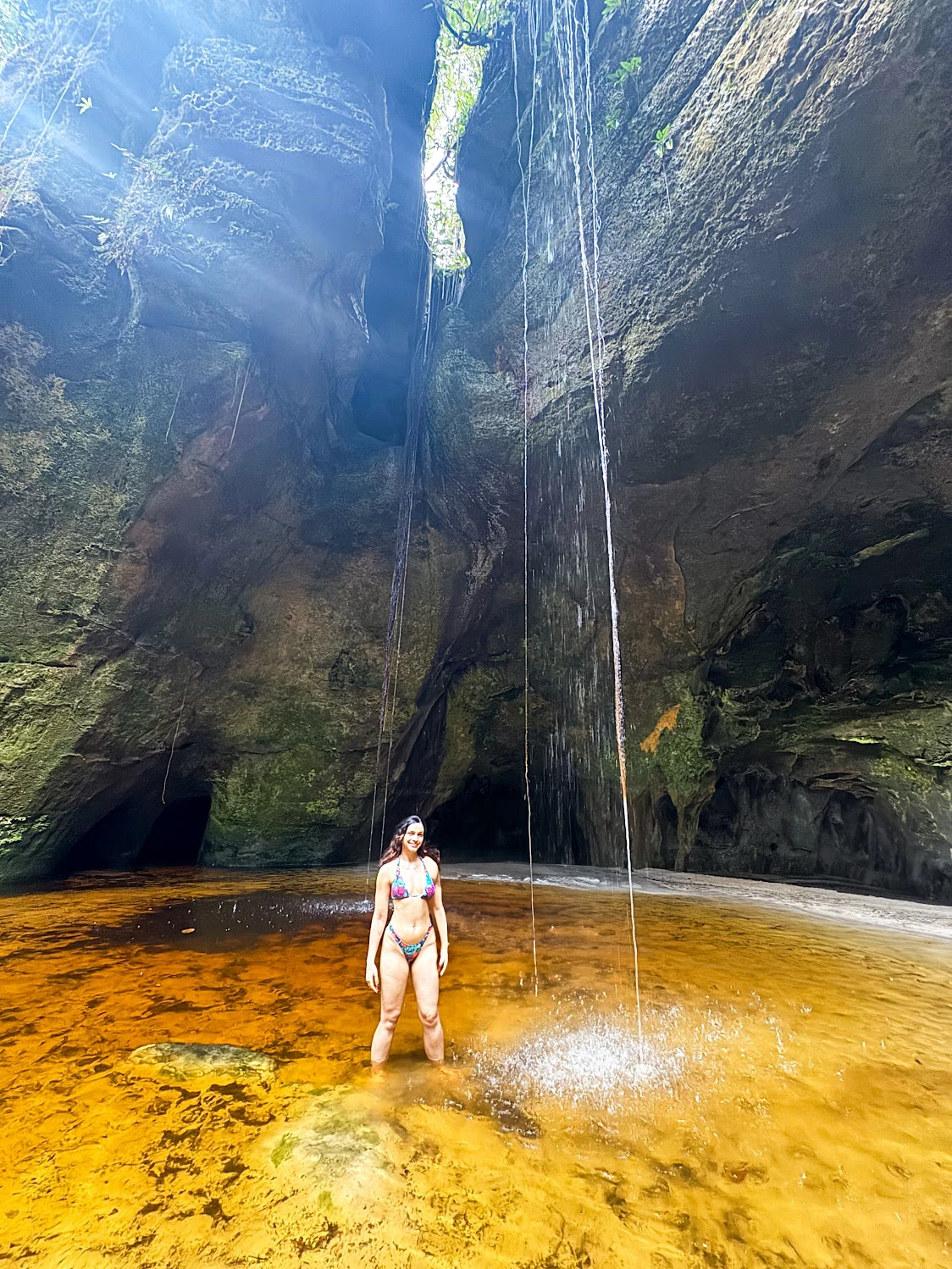
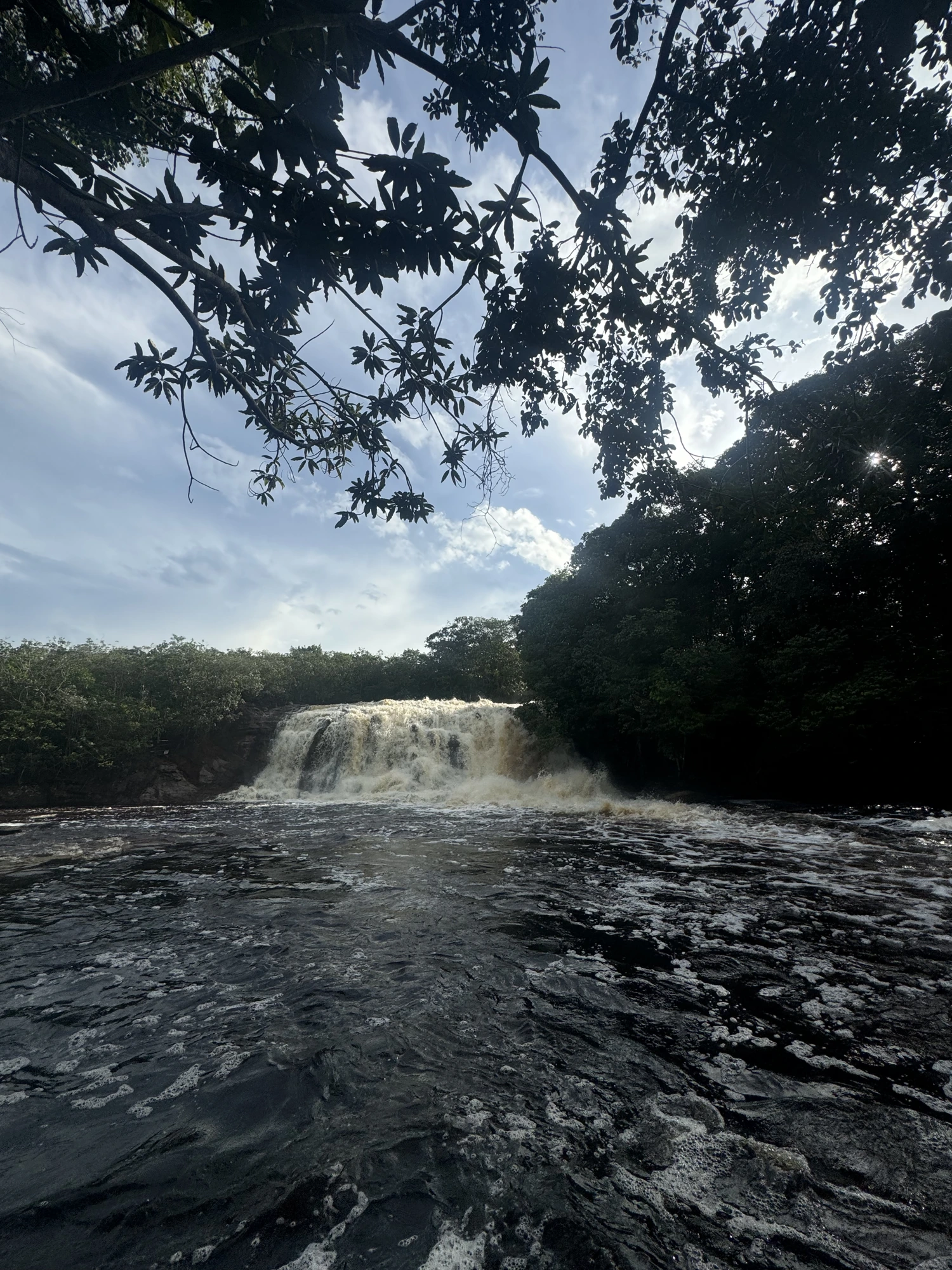
Presidente Figueiredo is known as the Land of Waterfalls, and it’s well worth setting aside 2 days of your itinerary for it. Besides adding variety to your tours, it works as a warm-up for what’s coming: to reach some of the attractions, you have to take on a short trail through the woods, a little taste of what’s ahead!
Over those two days, I visited:
- Caverna Refúgio do Maroaga and Gruta da Judéia
- Cachoeira de Iracema and Cachoeira das Araras
- Lagoa Paraíso Azul and Lagoa Cristalina
- Rio Vermelho
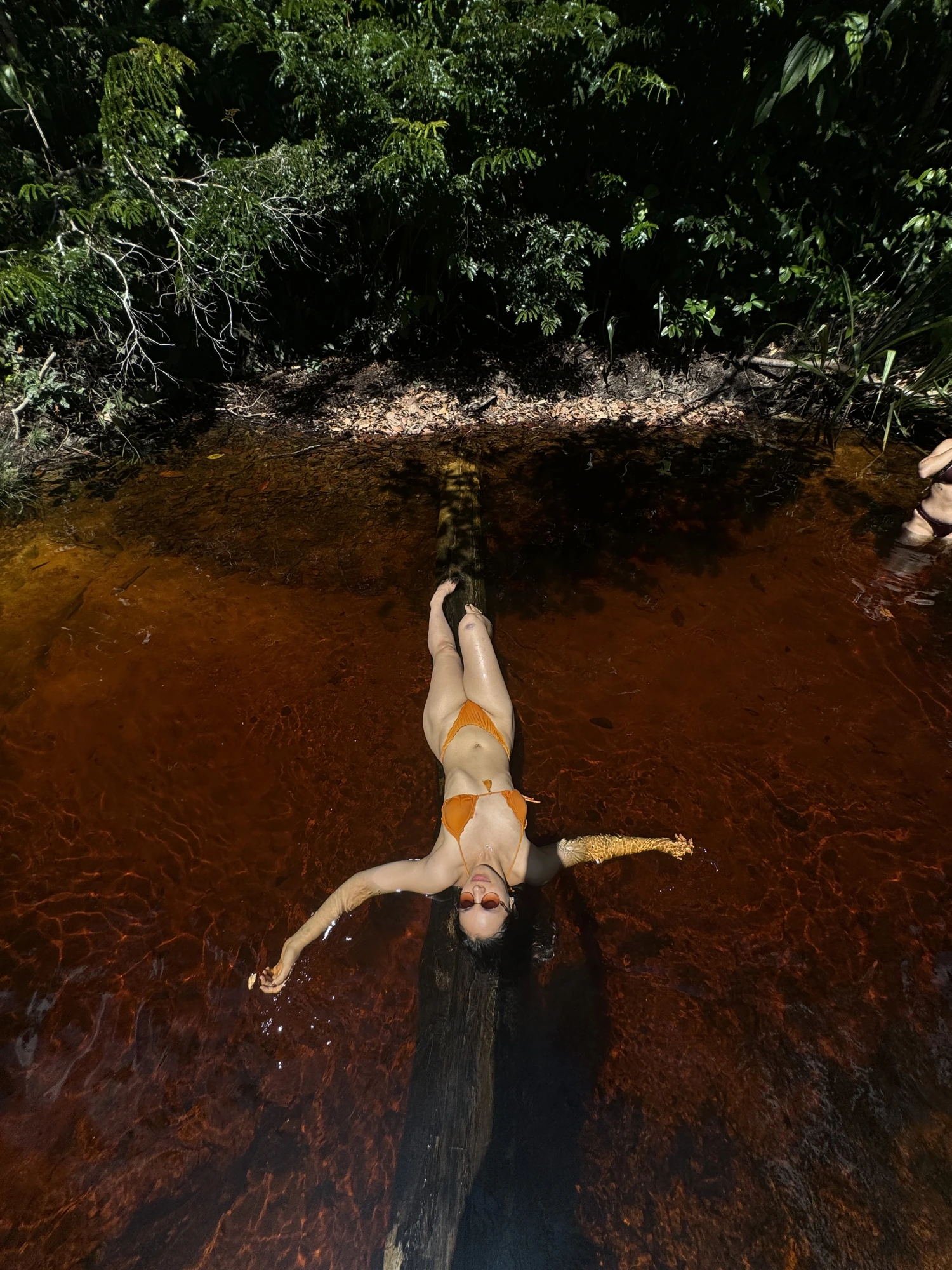
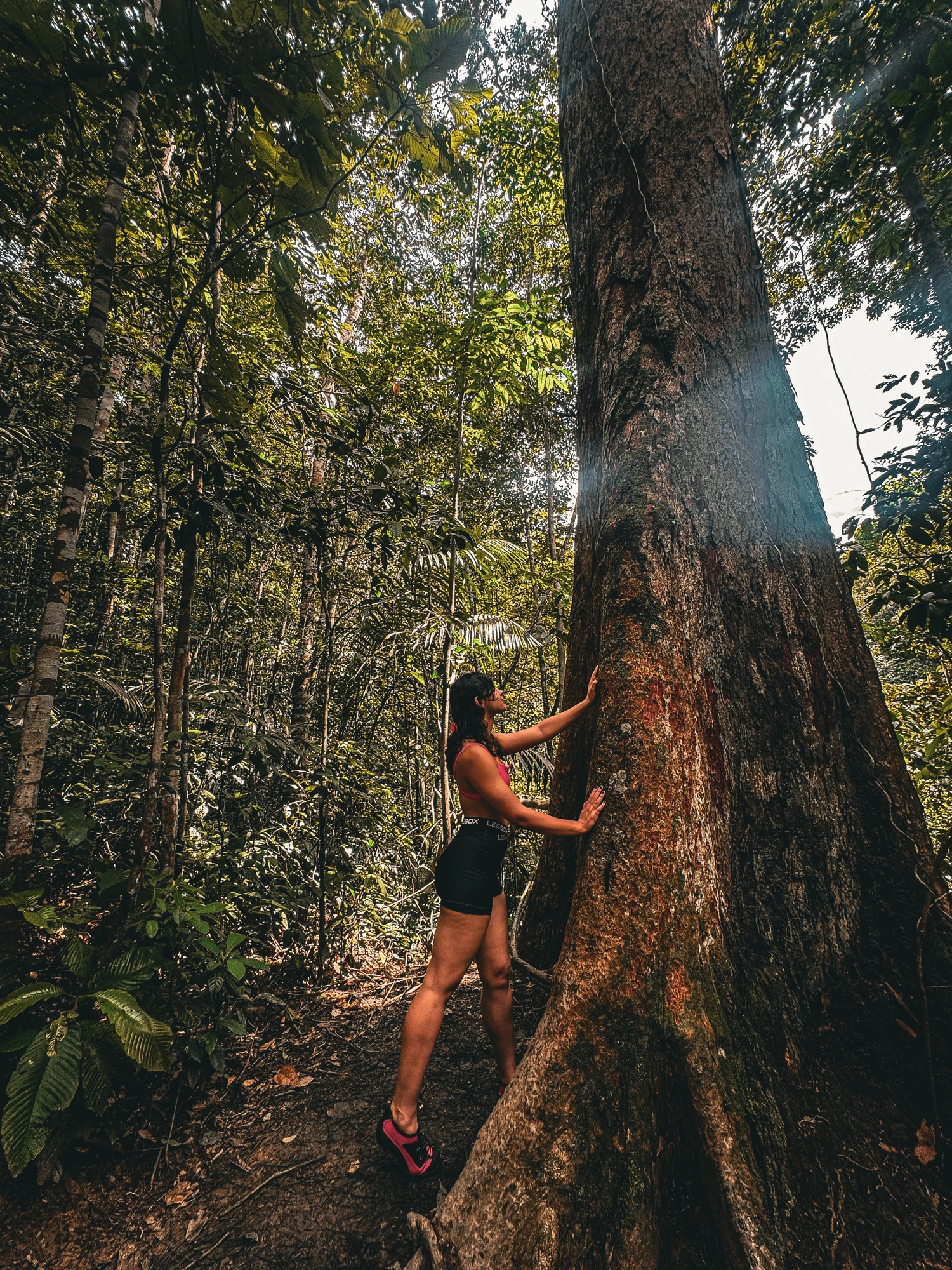
Tip: before ending the day, ask your guide to stop at a snack bar that serves X-caboclinho, a regional sandwich recognized as Intangible Cultural Heritage of Manaus, made with an ingredient unique to the region: tucumã peel.
At dusk, there isn’t much to do in town. The hotels and restaurants are very basic and short on more elaborate options, but there’s a small nightlife strip with a few casual bars where you can grab a bite.
What to do in Novo Airão
Novo Airão is the gateway to the Anavilhanas Archipelago, the largest river archipelago in the world, right on the Rio Negro. Here the pace changes: the town is small and the tours happen almost entirely on the water. I stayed 2 days, and I recommend the same: just one would feel rushed.
First day: on the way, the van stopped at Vila de Paricatuba, a little slice of the region’s history that’s worth the pause. After that:
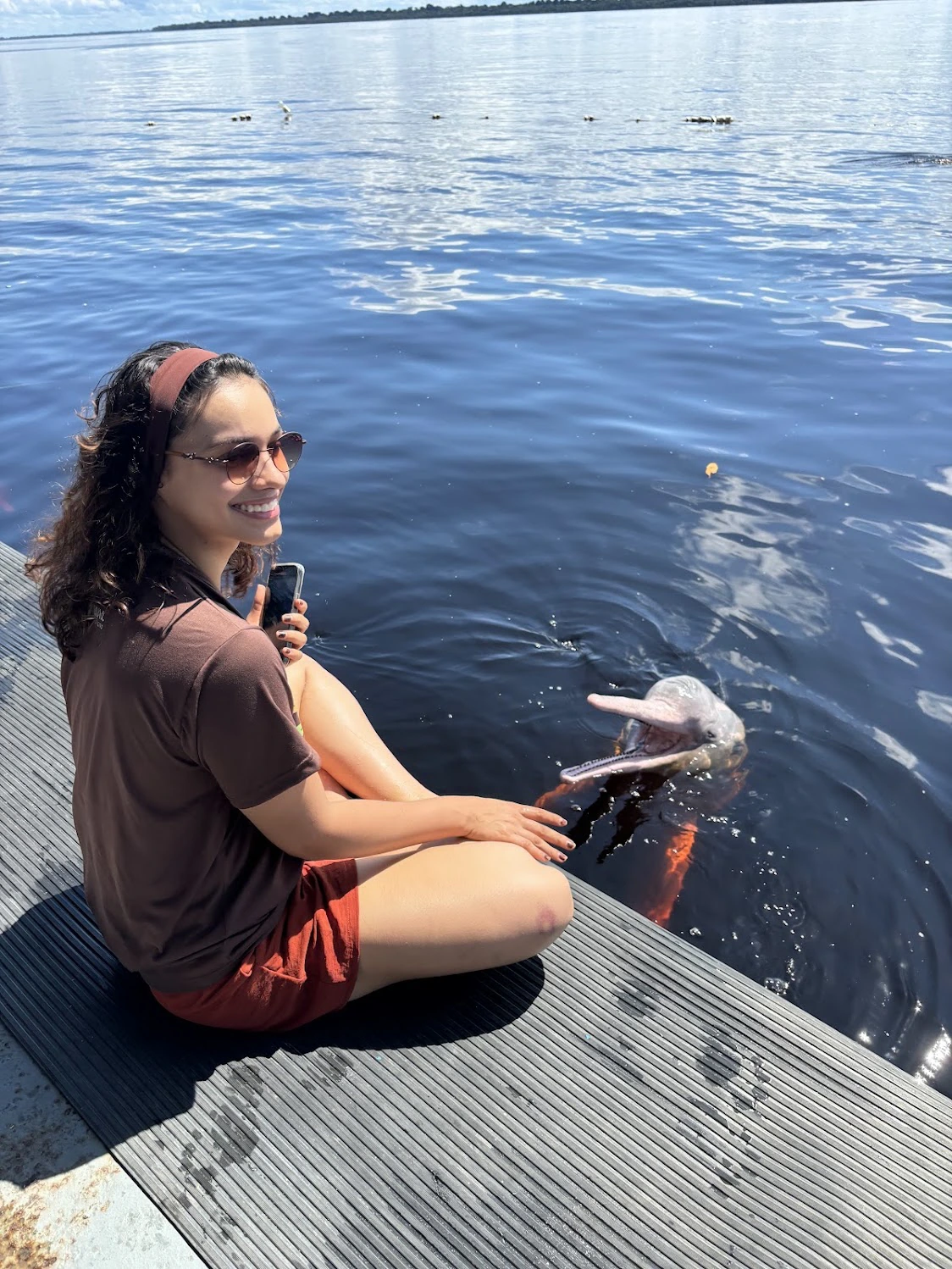
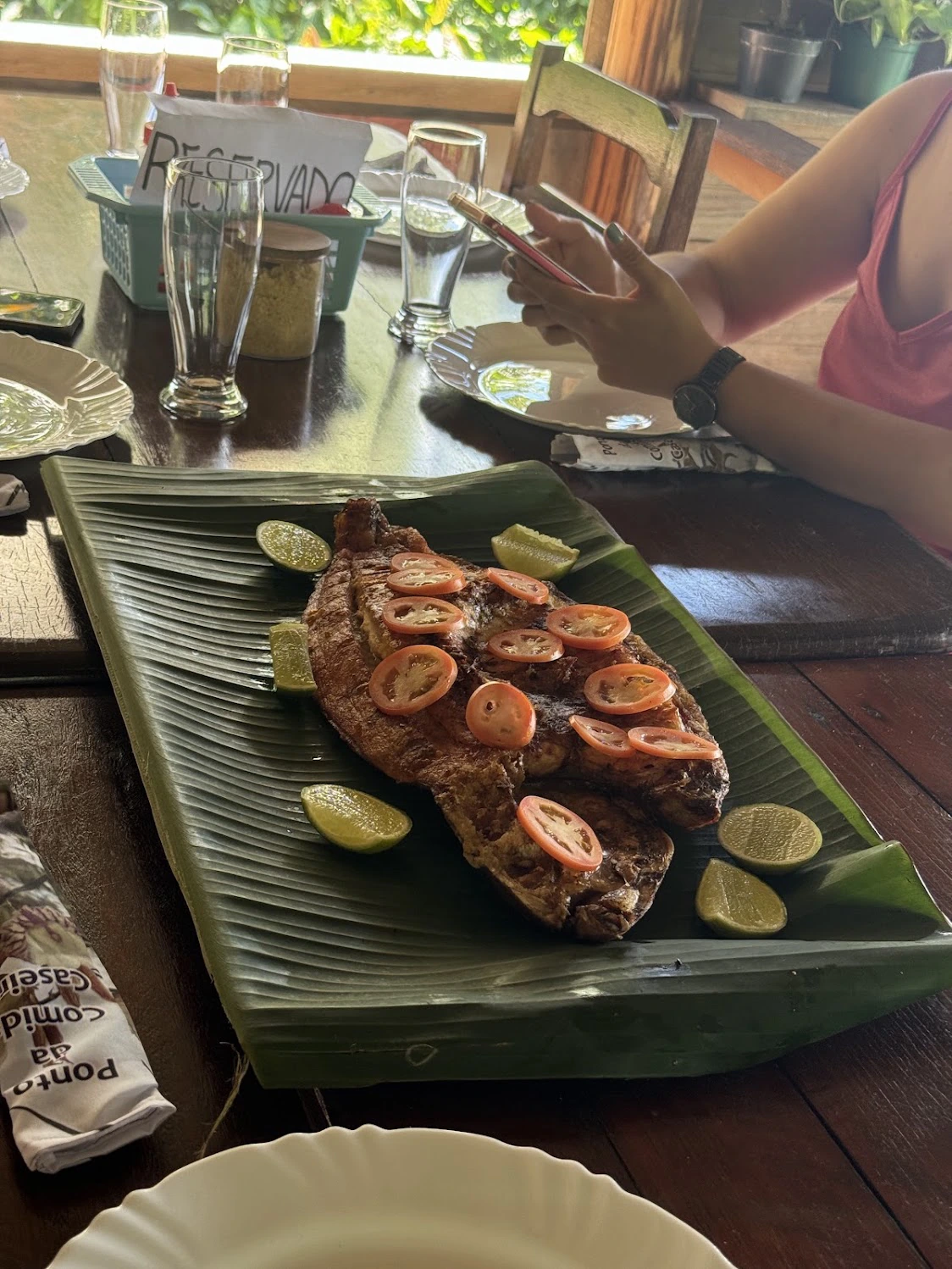
- Pink river dolphins: you watch them up close, followed by a regional lunch with the famous tambaqui de banda (grilled tambaqui).
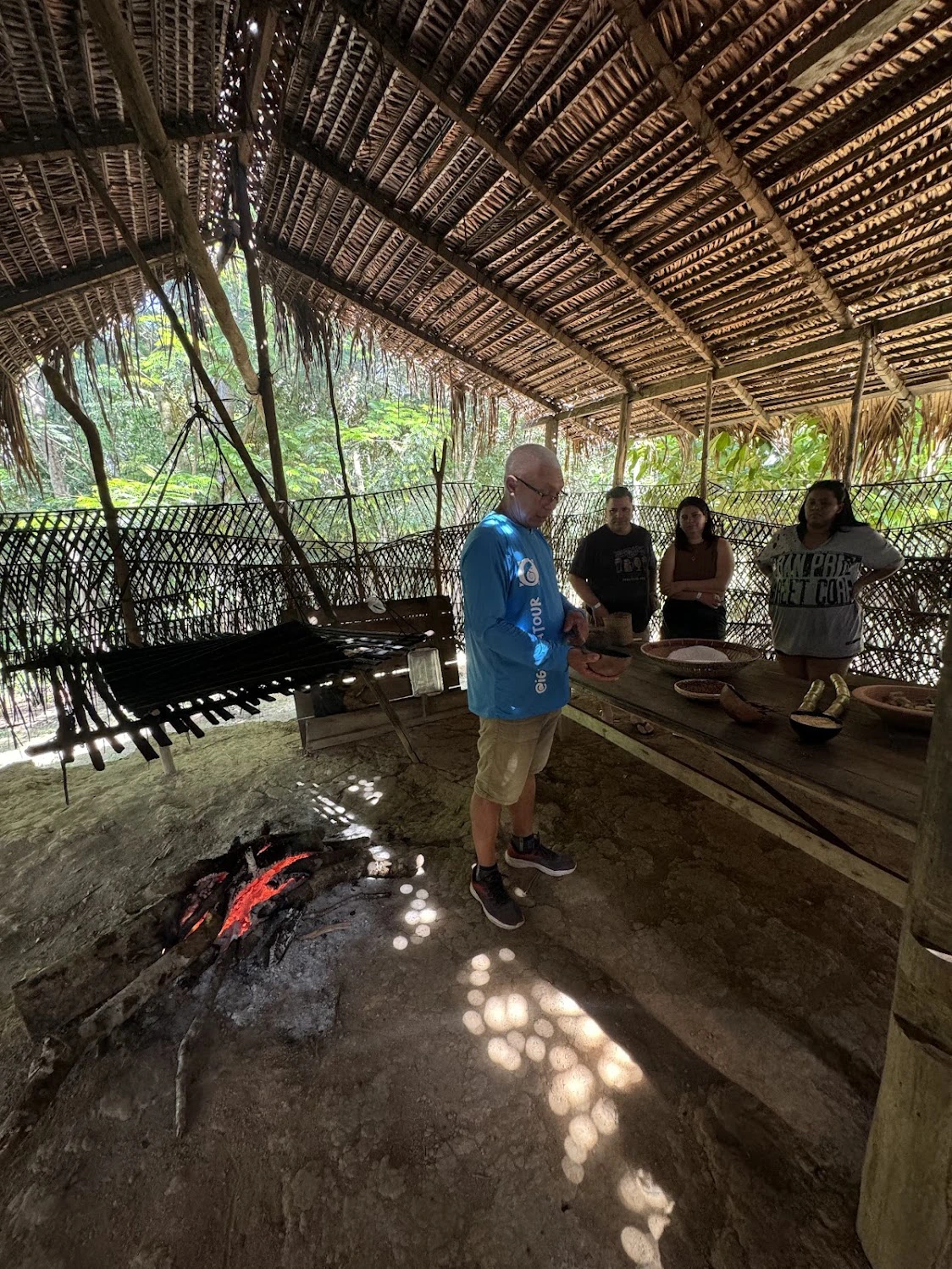
- Riverside community: a visit to learn about community-based tourism, how the handicrafts are made, and some of the hunting tools they used, like the blowgun (zarabatana).
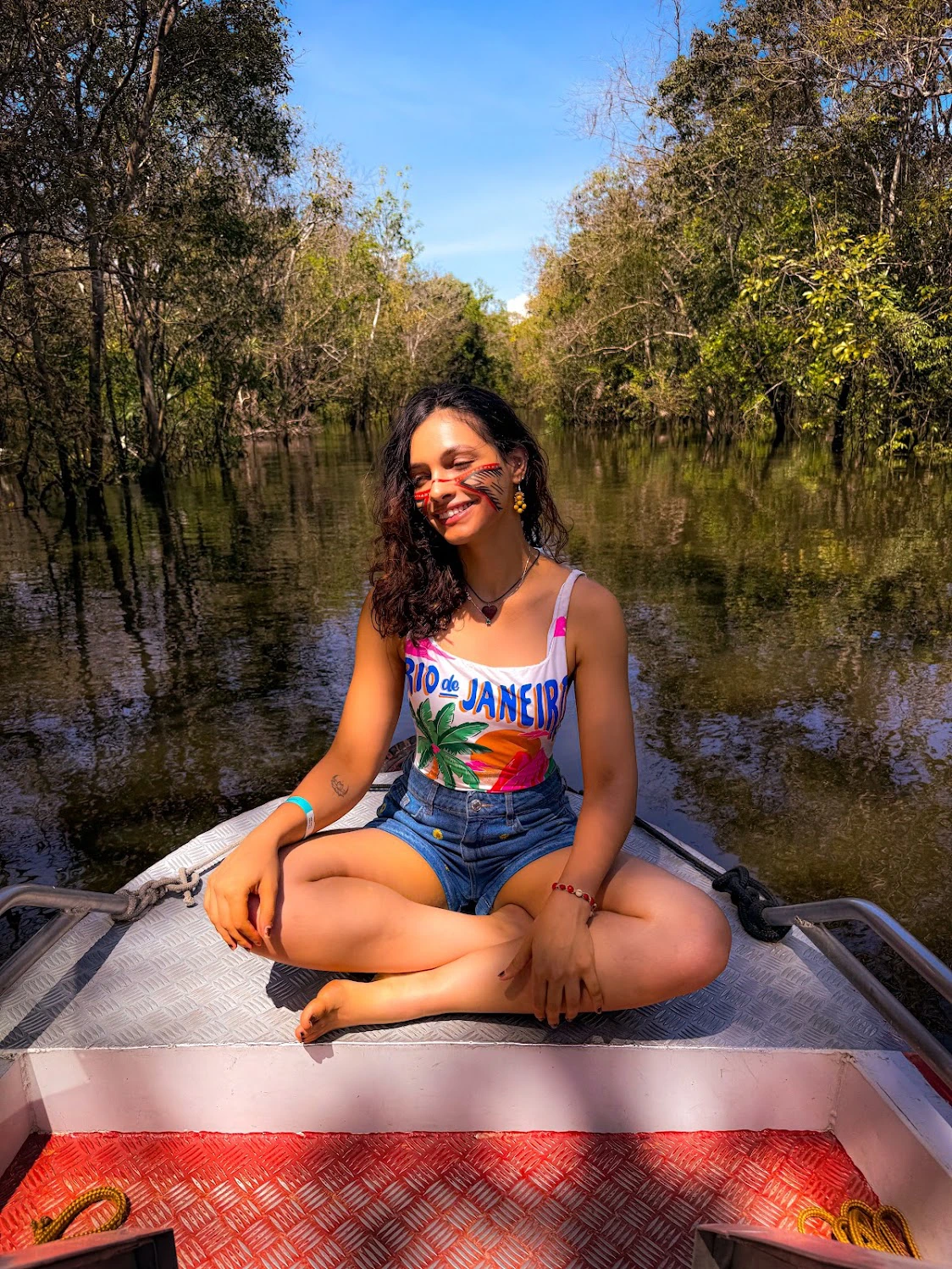
- Anavilhanas: a boat ride through the maze of flooded forest and lakes, ending with a swim in the Rio Negro at sunset.
Second day:
- Sunrise on the Rio Negro: pedaling a hydrobike while watching the sun come up;
- Canoeing and a hike in the primary forest: we boated through the flooded forest (igapós), then took a short hike to find the majestic Sumaúma, a kapok tree that can easily top 230 feet (70 meters) in height.
- AANA and the Almerinda Malaquias Foundation: a visit to the workshops and the town’s sustainability projects. A great chance to pick up souvenirs made by the people who live there.
Tip: bring sunscreen and bug spray, and wear lightweight, quick-drying clothes. Between one river swim and the next, you’re never completely dry!
Just like in Presidente Figueiredo, nightlife is almost nonexistent. Use the evening to rest, because the next day starts early.
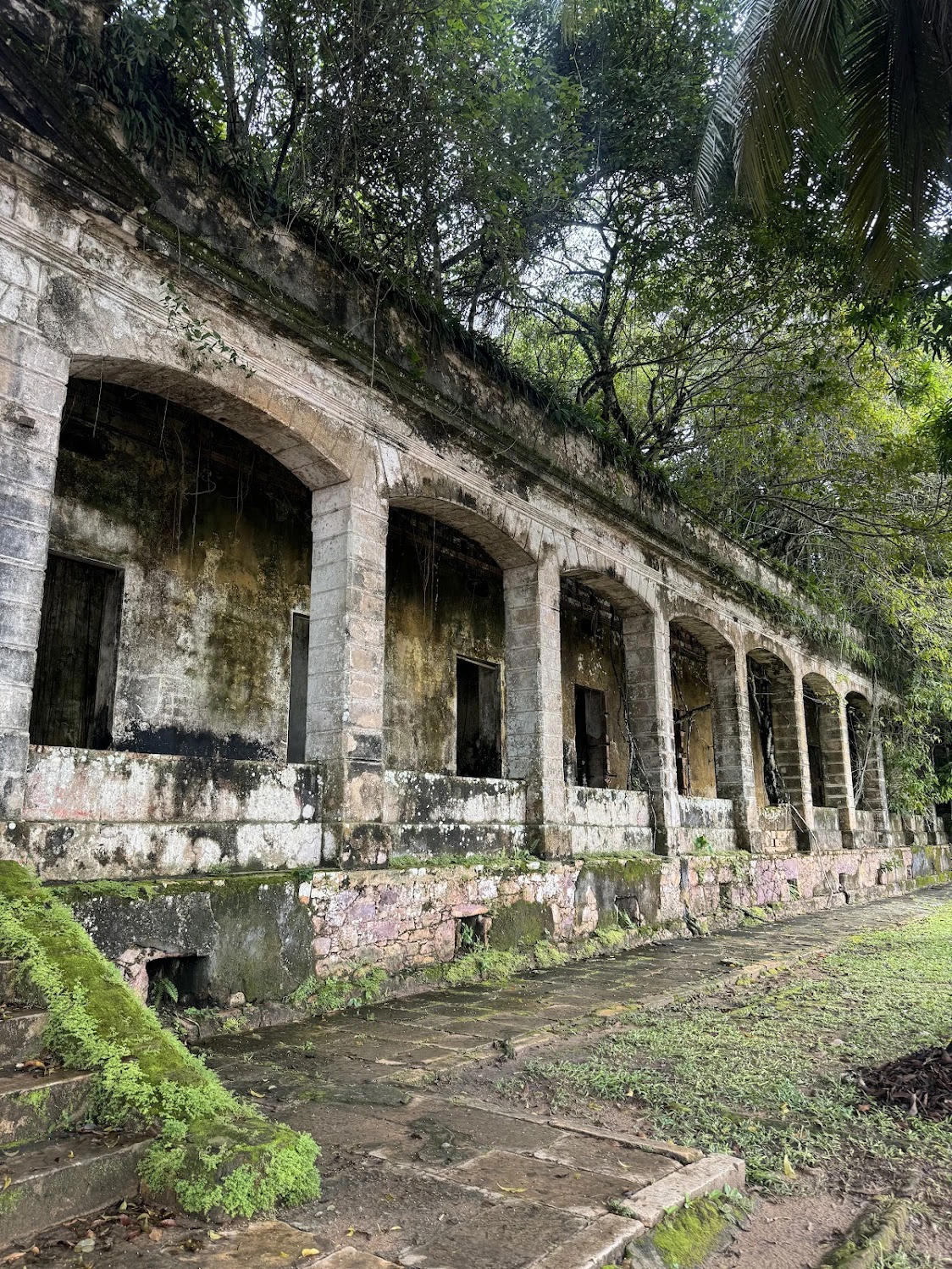
The Jungle Experience
To close out the trip, I had the experience I’d been looking forward to the most: sleeping inside the forest. It was three days that made the friendships I’d built throughout the expedition even stronger.
And here’s the most important point of this whole stage: in the jungle, a qualified guide makes all the difference. Our guide taught us and explained everything, every step of the way. Learning from someone who truly knows the forest enriched the experience enormously and made it something completely different from a simple tour.
Day 1: arriving at Juma Lake
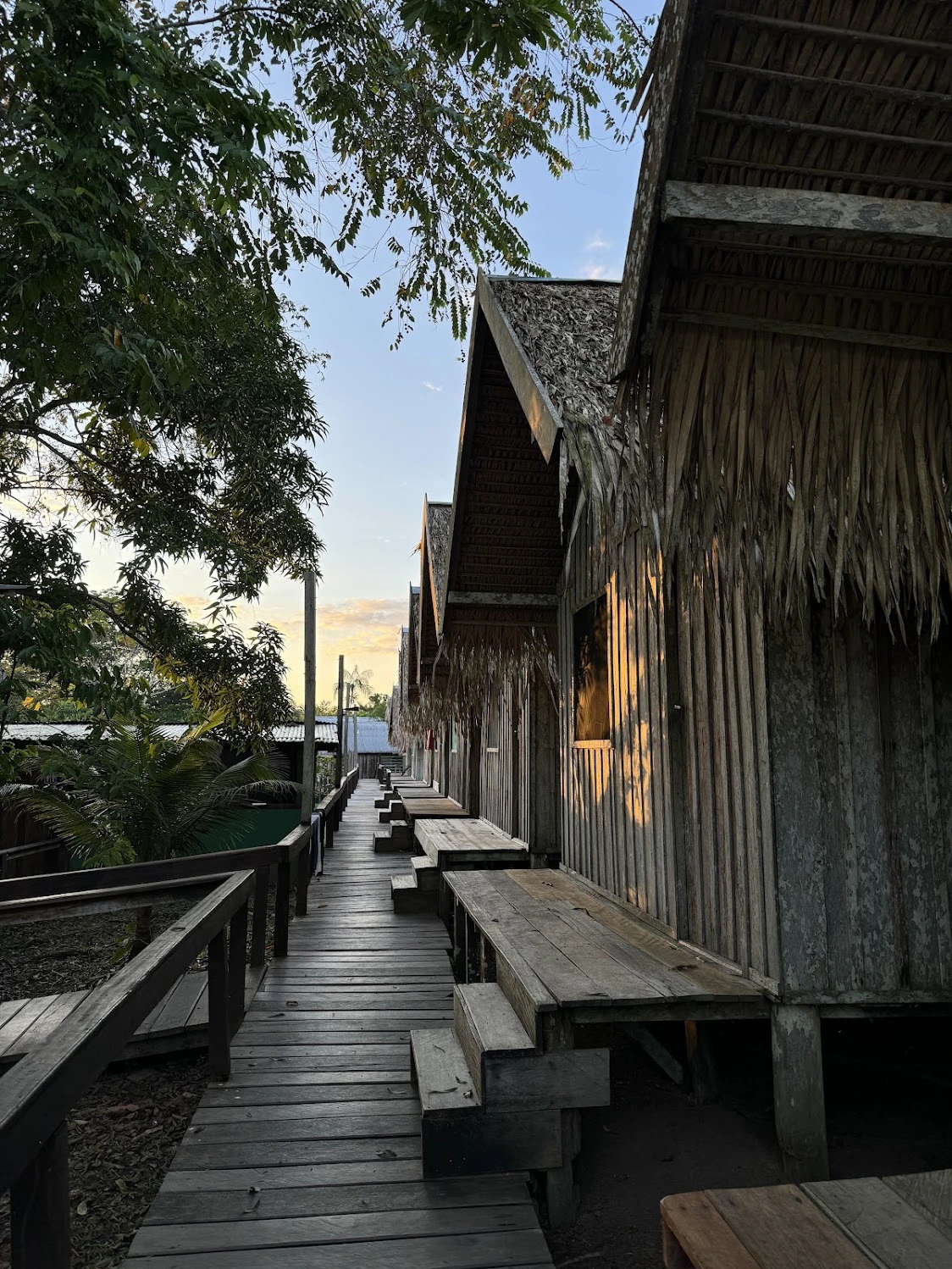
We left the hotel in a pickup truck, passed through the Meeting of the Waters (Encontro das Águas) and Careiro, and finally arrived at the lodge on Juma Lake.
That afternoon, we went canoeing, followed by an ecological hike through the woods. At each stop, our guide showed us survival techniques and explained them. What stuck with me the most was learning how to mask our scent using elements from the forest itself.
For generations, Indigenous peoples and traditional communities in the Amazon have used the tapiba ant to cover up human scent when hunting. It’s a kind of chemical mimicry: the ant’s strong odor masks ours and, as a bonus, works as a natural repellent. Seeing firsthand that the forest offers everything we need, if you know where to look, is enchanting.
And since you only live once, I felt zero disgust trying larvae and ants, and I threw myself into every activity on the schedule. They’re far from my everyday life, and I’d hardly get another chance to experience them. My advice is this: if it’s not going to kill you, go for it and enjoy it. Or at least be able to say why you didn’t like it, and what exactly.
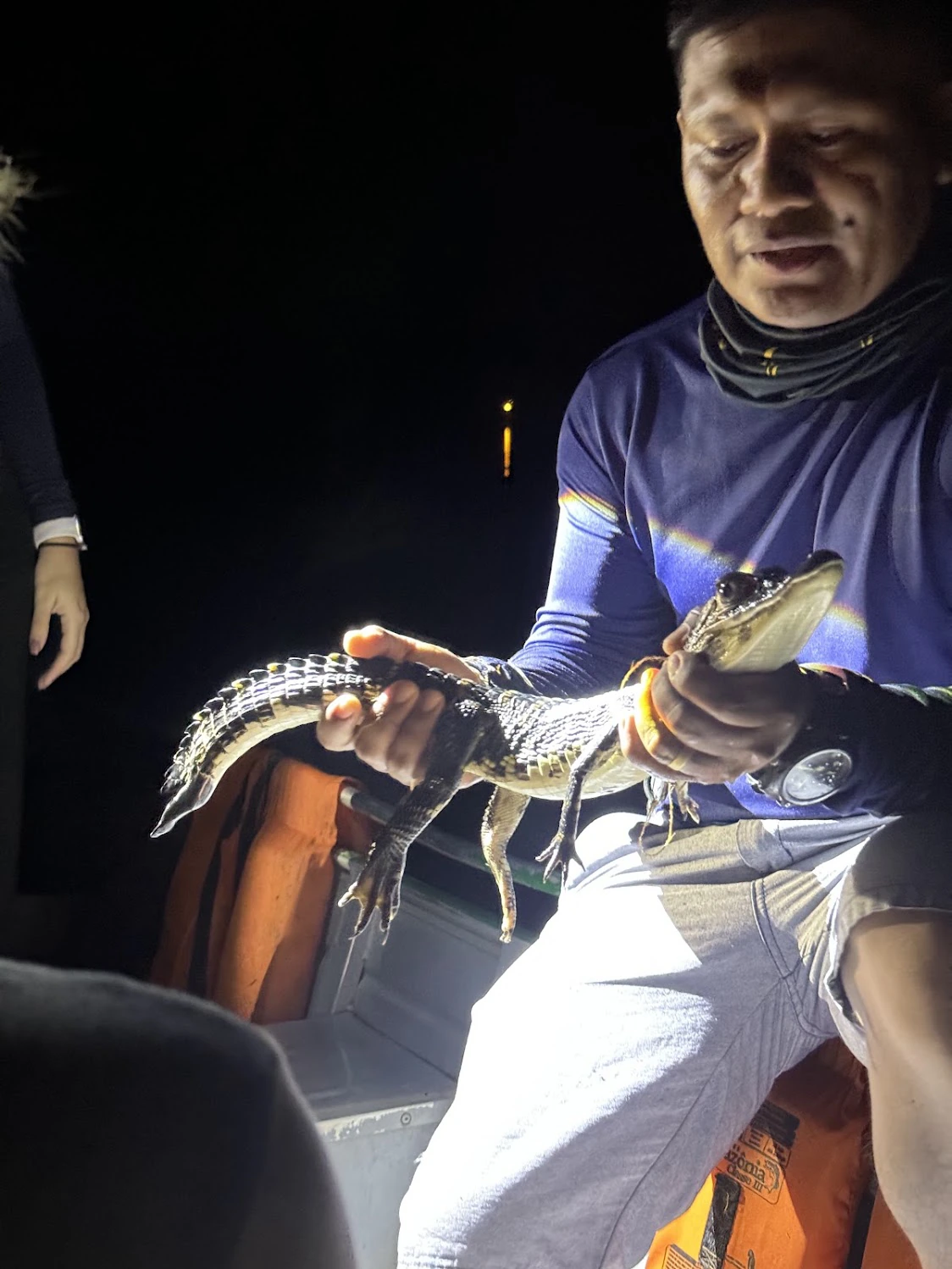
When night fell, it was time for caiman spotting. The secret is to stay absolutely silent and use almost no light, so you don’t scare them off and can lure them in. The guide gives all the instructions and is the one who “catches” one, which is released back into its habitat right after we’ve had a look and heard the explanation.
Day 2: survival and a night in the woods
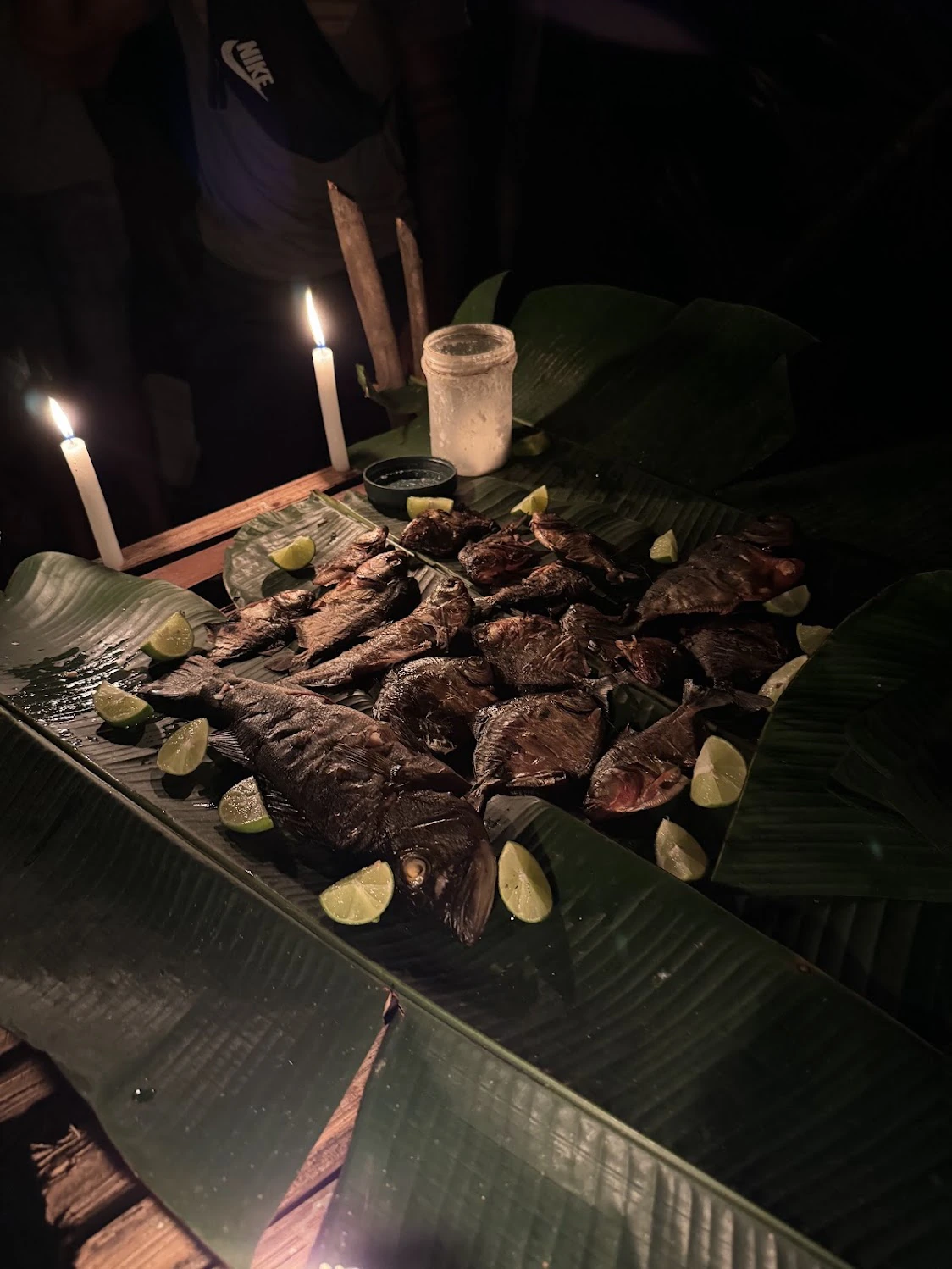
The day started off more relaxed. Since the tour wasn’t leaving until after lunch, there was time to enjoy the lodge and the river next to it a bit more. And, to my surprise, we were going fishing, and the day’s catch would be our only dinner.
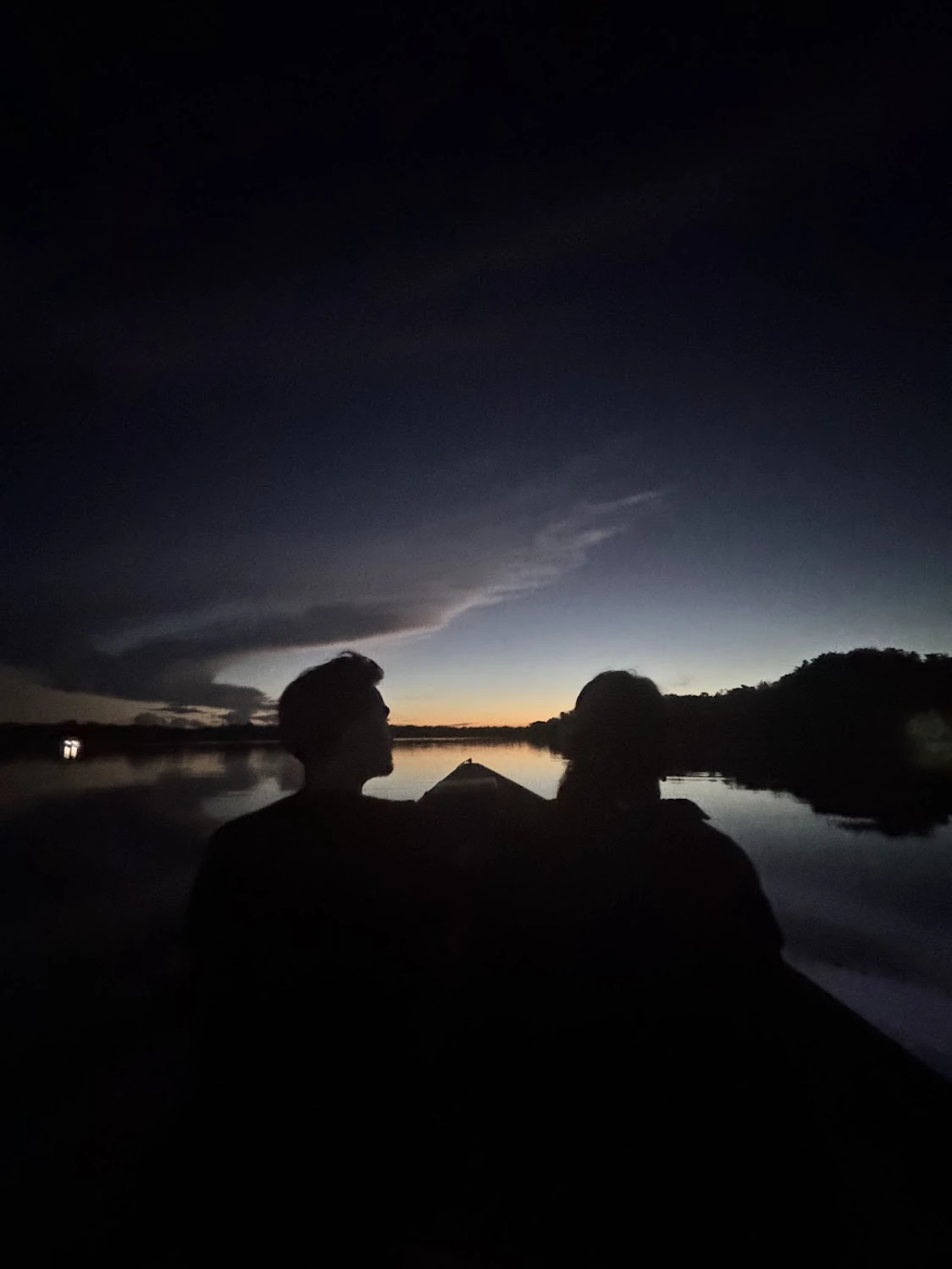
This was the day I’d been looking forward to the most: the camping night in the woods. After catching enough fish (or almost enough, because I learned piranhas have practically no meat on them), we sailed silently down the river in the half-light, with only the moon overhead. A mix of calm and peace came over me.
We kept sailing under the stars and the moonlight until we found a place to camp. There, our guide taught us how to prepare the fish, build the fire, grill it, and eat it, and also how to tie our hammocks to the trees before bed. Every hammock came with a mosquito net. The worst part was waking up in the middle of the night to use the bathroom, in pitch darkness and scared out of my mind. Since I drink water like a fish, I had to go anyway, even with my heart in my throat. (Yes, the bathroom is outdoors, out in nature.) But I made it out unscathed.
Day 3: Saying goodbye
We went back to the lodge for breakfast and then headed out to see up close the traditional process of extracting latex (rubber), which shaped the Amazon’s economic history. You can also buy local crafts there and support the people who live off the forest.
How much does it cost?
I’ll admit I didn’t write down my expenses before writing this post, so I don’t have a detailed breakdown. But adding it all up, the 10-day trip (counting the travel days, which are the flight days) averaged R$ 6,000 for one person (roughly US$ 1,100 at 2024 exchange rates).
- Airfare: about R$ 1,500 round-trip from São Paulo.
- The rest: lodging, the agency and its tours, food, and souvenirs.
These are 2024 prices and they vary quite a bit depending on the season and the agency. Use them as a reference and do your research ahead of time!
Is it safe? And what about the mishaps?
Before going, I heard a lot of people talk about how rough the Amazon can be, but my experience was very different:
- Snakes: I didn’t see a single one during the entire trip.
- Food: plenty of it, regional fish, and incredibly good food (my favorite fish here was the tambaqui de banda).
- Trails: none were hard. You can do them without being an athlete.
- Safety: it’s all very safe. Dangerous animals don’t tend to hang around where there are lots of people, and as long as you’re with your group and your guide, it’s all very easygoing. (There was a guy from the Middle East who really wanted to see an anaconda, but thankfully we didn’t cross paths with one.)
And to be fair, one mishap did happen: in Anavilhanas, a venomous spider got into the boat. But our guide handled the situation really well and everyone came out unharmed. It’s one more reason to never go without an accredited guide. (I’ll leave the mini video of this fancy little mishap right below.)